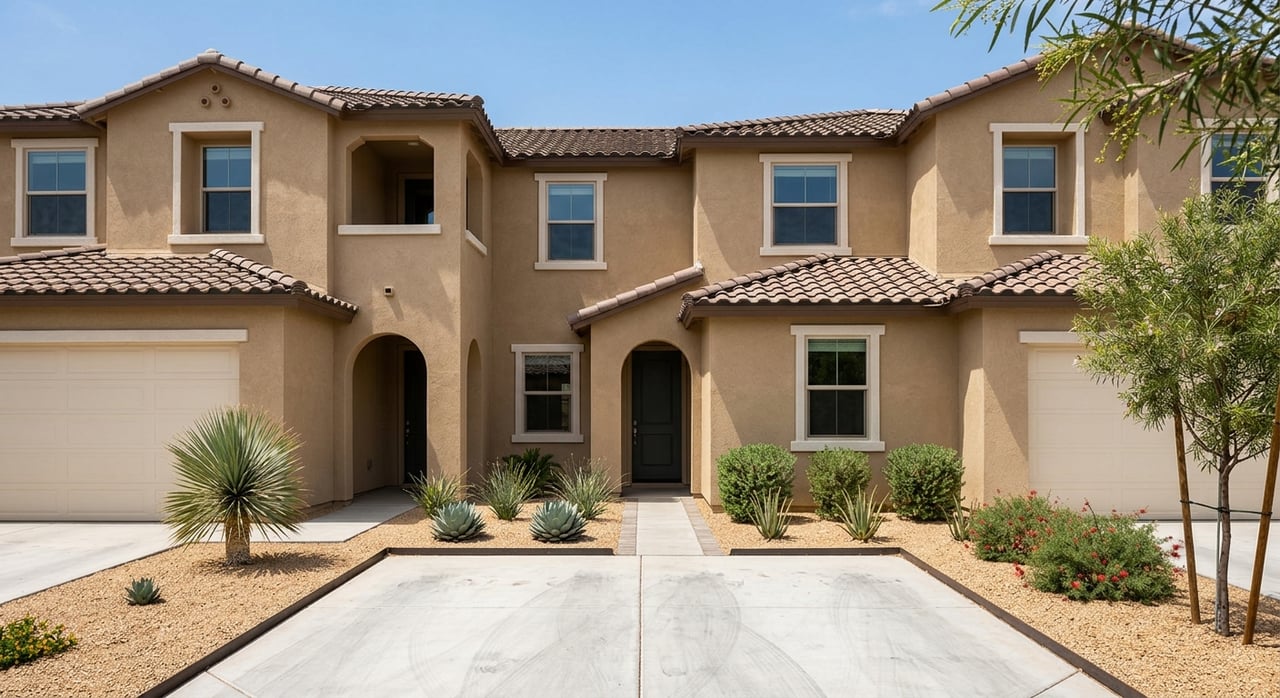
Buying your first home in Tempe can feel exciting and overwhelming at the same time. You are trying to balance budget, location, monthly costs, and the kind of lifestyle you want, all in a city with a very mixed housing landscape. The good news is that Tempe gives first-time buyers more than one path to homeownership, and this guide will help you understand your options and plan your next move with more confidence. Let’s dive in.
Why Tempe stands out for first-time buyers
Tempe is not a one-size-fits-all housing market. The city is compact, about 42 square miles, and its planning vision centers on a 20-minute walk, bike, and transit-connected lifestyle. That matters when you are buying your first home because where you live in Tempe can shape your daily routine as much as the home itself.
The city also has a transportation network that supports different ways of getting around. Tempe reports 13 bus routes, two express routes, one free Flash route, six Orbit circulators, year-round light rail service, and a daily streetcar. It is also about 10 minutes from Phoenix Sky Harbor, which can be especially useful if you travel often or want easier regional access.
Tempe housing looks different than many suburbs
If you picture Tempe as mostly detached houses, the numbers tell a different story. A City of Tempe analysis found that about 35% of housing consists of detached single-family homes, 8% townhomes, and 56% condos, apartments, and trailers. That mix gives first-time buyers a wider range of entry points than in communities dominated by detached homes.
It also helps explain why your search should start with lifestyle goals, not just square footage. In Tempe, attached homes, condo communities, and transit-oriented areas play a larger role than many buyers expect. Choosing the right fit often comes down to how you want to live day to day.
What the Tempe market looks like
For the three months ending May 2026, Redfin reported a Tempe median sale price of about $483,000, around 52 days on market, and a market described as somewhat competitive. For a first-time buyer, that suggests you should be prepared, but not necessarily rushed into every decision. A clear budget and realistic wish list can help you move when the right property appears.
Because Tempe offers several housing types, your budget may stretch differently depending on what you choose. A condo or townhome may open the door to locations or price points that feel harder to reach with a detached home. At the same time, monthly ownership costs can vary based on HOA dues, maintenance responsibilities, and insurance needs.
Start with your full budget
One of the biggest first-time buyer mistakes is focusing only on the mortgage payment. A more practical approach is to look at your full monthly and upfront costs before you start shopping. That gives you a stronger foundation and helps you avoid surprises later.
According to the CFPB, your budget should include:
- Mortgage principal and interest
- Property taxes
- Homeowners insurance
- HOA dues, if applicable
- Closing costs
- Moving costs
- Repairs and ongoing maintenance
This matters even more in Tempe because many homes are part of associations. The city says most condo and townhome developments, along with some newer single-family subdivisions, have HOAs. If you are comparing homes, make sure you understand not just the purchase price, but the complete monthly payment picture.
Down payment options to know
Many first-time buyers assume they need a huge down payment to get started. In reality, several loan types offer lower-entry options for qualified buyers. The exact fit depends on your finances, credit profile, and eligibility.
The CFPB notes these common examples:
- Many buyers may need at least 3% down
- FHA loans can be as low as 3.5% down
- Freddie Mac Home Possible can be as low as 3% for eligible borrowers
- Fannie Mae HomeReady can be as low as 3% for eligible borrowers
- VA purchase loans often require no down payment for eligible veterans
Arizona buyers may also want to look at state-level assistance. Arizona IDA’s Home Plus program offers up to 4% in down payment assistance when paired with a 30-year fixed-rate mortgage, and it is marketed as available in every Arizona county, city, and ZIP code.
Tempe support for first-time buyers
Tempe’s housing documents reference down payment assistance for first-time homebuyers, and the city says it is working to maintain a balanced mix of affordable, workforce, and market-rate housing options. That does not mean every home will fit every budget, but it does show that first-time ownership is part of the city’s broader housing conversation.
You can also look into homebuying education and counseling resources. HUD points buyers toward housing counseling and homebuying support, which can be useful if you want help understanding budgeting, loan prep, and the buying process before you make an offer.
Choosing the right home type in Tempe
Condos can fit a lower-maintenance lifestyle
Condos are often part of the Tempe conversation for a reason. Since much of the city’s housing stock is multifamily, condos can be a realistic first step into ownership, especially if you want a more central location or easier access to transit.
Tempe’s housing patterns show that most multifamily units are concentrated in central and northern Tempe. In practical terms, those areas may appeal more if you are looking for a condo-style setting and want stronger access to the city’s transit network. That can be a smart tradeoff if convenience matters more to you than having a larger lot.
The other key factor is HOA dues. The CFPB notes that HOA fees are usually paid directly to the association, not through your mortgage payment, and they can range from a few hundred dollars to more than $1,000 per month. That means a lower purchase price does not always equal a lower total monthly cost.
Condo questions to ask
Before you buy a condo in Tempe, it helps to ask:
- What are the monthly HOA dues?
- What do those dues cover?
- Are there rules about parking, pets, rentals, or exterior changes?
- How old are the major systems and shared amenities?
- What will your total monthly housing cost be after dues, taxes, and insurance?
Townhomes offer a middle-ground option
Townhomes can make sense if you want an attached home format but prefer more separation than a condo often offers. In Tempe, they may become an even more relevant option for first-time buyers over time. That is because the city’s adopted Middle Housing Overlay allows duplexes, triplexes, fourplexes, and townhouses on single-family lots within one mile of downtown and on residential lots larger than ten acres.
For you, that means attached housing options near the urban core may continue to matter in the local market. If you like the idea of lower exterior maintenance but still want a more home-like layout, a townhome can be worth a close look.
Detached homes still matter, but read the details
Detached single-family homes still represent the largest share of Tempe residential address points. For many first-time buyers, they remain the goal because they often offer more privacy, yard space, or room to grow.
Still, detached does not automatically mean simpler. Tempe’s HOA resources note that some newer single-family subdivisions also have mandatory associations. So if you assume a detached house means no HOA or fewer rules, make sure you verify that early in your search.
Commute may matter as much as square footage
In Tempe, location is about more than a map pin. The city’s planning materials frame Tempe as a walkable, bikeable, transit-oriented place, and they identify major freeway facilities including I-10, US 60, Loop 101, Loop 202, and State Route 143. That gives you several ways to think about convenience.
The city also notes that projected employment growth is strongest near the light rail corridor, the Broadway Curve of I-10, and Loop 101 between Elliot Road and Warner Road. If your work routine depends on freeway access, transit, or short daily trips, commute patterns can have a direct impact on which part of Tempe makes sense for you.
Think through your real weekly routine
When you compare homes, ask yourself:
- Do you want to walk, bike, or use transit for some trips?
- Will you be driving to work most days?
- How often do you need freeway access?
- Does being closer to the airport matter for your lifestyle?
- Would you trade some square footage for a simpler commute?
These questions can help you narrow your search faster and choose a home that works beyond the closing day.
HOA education can be useful in Tempe
Because HOAs are common in many Tempe communities, it helps to treat association review as part of your first-time buyer homework. The city offers free HOA classes through Tempe Neighborhood Services for residents in HOA communities. If you are new to association living, that kind of local resource can make the rules and responsibilities easier to understand.
This is especially helpful if you are deciding between a condo, townhome, or detached home in a newer subdivision. The right choice is not just about style or price. It is also about how much maintenance, structure, and monthly cost you are comfortable taking on.
A practical first-time buyer plan
If you want to make your Tempe search feel more manageable, keep the process simple and focused.
Step 1: Set your real budget
Look beyond the list price and estimate your full monthly cost, including taxes, insurance, HOA dues, and maintenance.
Step 2: Review loan and assistance options
Find out whether low-down-payment programs or Arizona down payment assistance could fit your situation.
Step 3: Choose your lifestyle priorities
Decide what matters most right now, such as transit access, lower maintenance, more space, or a shorter commute.
Step 4: Compare home types honestly
A condo, townhome, and detached home each solve different problems. Focus on what fits your finances and daily life best.
Step 5: Study location through a Tempe lens
Think about central access, north Tempe multifamily patterns, freeway connections, and how close you want to be to work, transit, or the airport.
Step 6: Ask better questions before you offer
Confirm HOA details, total monthly cost, maintenance expectations, and how the property fits your longer-term plans.
Buying your first home in Tempe is not about finding a perfect property in a perfect market. It is about making a smart, informed decision in a city with a lot of housing variety and a lifestyle that can look very different from one area to the next. When you understand the numbers, the home types, and the role location plays here, you can move forward with a lot more confidence.
If you want a practical, local perspective on buying in Tempe and the broader Phoenix market, Joseph Fear can help you build a clear plan and compare your options with confidence.
FAQs
What is the median home price in Tempe for first-time buyers?
- Redfin reported a median sale price of about $483,000 in Tempe for the three months ending May 2026.
Are condos common in Tempe for first-time home buyers?
- Yes. A City of Tempe analysis found that 56% of the city’s housing mix is condos, apartments, and trailers, which makes attached and multifamily living a major part of the market.
Do Tempe homes often have HOA fees?
- Yes. The city says most condo and townhome developments, and some newer single-family subdivisions, have HOAs, so you should review dues and rules carefully.
Are there down payment assistance options for Tempe home buyers?
- Yes. Arizona IDA’s Home Plus program offers up to 4% in down payment assistance with a 30-year fixed-rate mortgage, and Tempe housing documents also reference down payment assistance for first-time buyers.
How important is transit when buying a first home in Tempe?
- Transit can be a major factor because Tempe has bus routes, light rail, streetcar service, and a city planning vision built around walk, bike, and transit access.
Is a detached home in Tempe always HOA-free?
- No. Tempe notes that some newer single-family subdivisions also have mandatory associations, so detached does not automatically mean no HOA.
Where are condo-style homes more common in Tempe?
- Based on the city’s housing patterns, central and northern Tempe are the most likely areas for buyers prioritizing multifamily housing and transit-oriented living.
