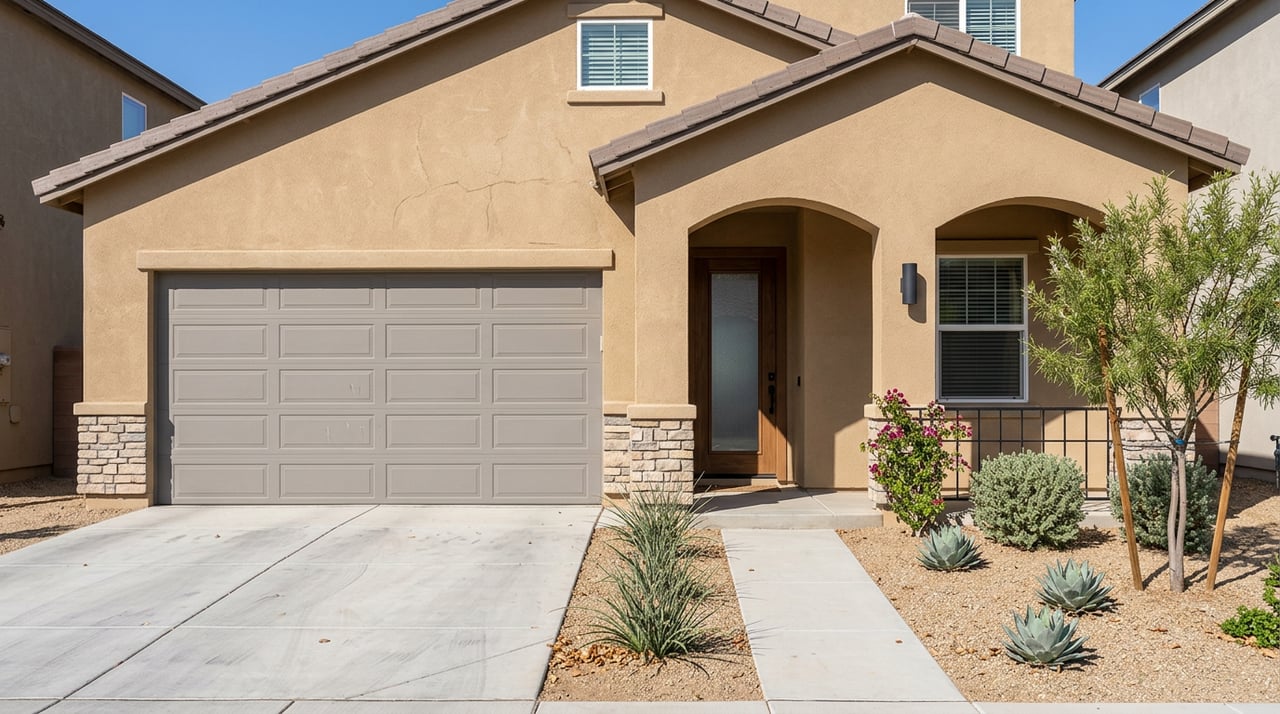
Thinking about buying a single-family rental in Glendale? You are not alone. With steady West Valley job growth and a wide mix of suburban homes, Glendale draws consistent renter interest from families, service professionals, and military households. In this guide, you will learn what smart investors evaluate before writing an offer, from rent comps and vacancy to HOAs, maintenance, and local rules. Let’s dive in.
Glendale rental demand at a glance
Population and rent baseline
Glendale’s estimated population is about 258,000, which supports a broad base of rental demand and housing options. You can confirm current demographic and housing benchmarks in the city’s profile on the U.S. Census QuickFacts for Glendale. Census QuickFacts provides an updated snapshot of population, tenure, and rent benchmarks.
Citywide rent snapshots for Glendale commonly fall in the low 1,300 to mid 1,500 dollar range depending on source and bedroom mix. For a running view, check RentCafe’s Glendale rent trends, then pull same-bedroom comps for the exact neighborhood before you model income.
For context on pricing, public sources have recently shown Glendale’s median listing price around 442,900 dollars. Always replace headline numbers with current comps for your target block and home type.
Employment anchors and seasonality
Glendale sits inside the Phoenix–Mesa–Scottsdale metro, where employment growth has been a reliable demand driver. The metro’s nonfarm employment and unemployment updates are posted by the Bureau of Labor Statistics.
Inside Glendale, the Sports and Entertainment District around State Farm Stadium and Desert Diamond Arena, plus nearby logistics and distribution hubs and the influence of Luke Air Force Base, help drive both year-round and seasonal rental needs. The city outlines these target industries on its economic development page. Calendar peaks around major games and concerts can affect short-term leasing, vacancy timing, and pricing.
Build-to-rent pipeline to watch
The Phoenix metro has been a national leader in single-family build-to-rent communities. Industry updates note a large pipeline, which can shape future competition and concessions. You can track the broader trend in reports like this build-to-rent summary. If you are underwriting an SFR in Glendale, ask a local property manager how new BTR supply nearby is influencing leasing velocity and tenant expectations.
What investors evaluate before offering
Income and vacancy
- Market rent: Use three to six recent comps that match bedroom count, lot size, garage count, and amenities. Validate with on-the-ground property manager data.
- Economic vacancy: Even in stable conditions, model an allowance to cover turnover, concessions, and bad debt. Renovations and first-year lease-ups call for higher allowances.
Operating expenses
- Property taxes: Arizona’s effective rates are relatively modest versus national averages, but you should verify parcel-level bills and any special assessments on the Maricopa County Assessor and Treasurer sites. For state context, review the Tax Foundation’s effective property tax data.
- Insurance: Quote coverage that reflects local perils and any pool liability. If a FEMA flood zone applies, layer in flood coverage.
- Utilities: Confirm what the owner pays versus the tenant. In this climate, electricity for cooling is a major cost consideration for tenants.
- Repairs and maintenance: Budget routine items plus reserves for systems with finite useful lives, especially roof and HVAC.
- HOA dues: Many Glendale subdivisions have HOAs. Include monthly dues and any transfer or compliance fees.
- Property management: Include a management fee, leasing fee, and a realistic marketing allowance.
Financing and stress tests
- Leverage assumptions: Your lender and product will define LTV, amortization, and any DSCR tests. Many investors sensitize to a 1.2 to 1.3 DSCR to see how payment coverage holds under pressure.
- Sensitivities: Run scenarios for higher vacancy, slower rent growth, and a higher exit cap rate to understand downside risk.
Simple performance definitions
- Cap rate: Net operating income divided by purchase price.
- GRM: Price divided by annual gross scheduled rent.
- Cash-on-cash: Annual pre-tax cash flow divided by total cash invested.
Quick math example (for illustration)
Below is a simple framework to show how the numbers move. Replace these inputs with current comps on the day you write.
- Price anchor: Recent public snapshots put Glendale’s median listing price near 442,900 dollars.
- Rent anchor: Citywide averages for Glendale have been in the roughly 1,300 to 1,450 dollar range across sources. See RentCafe’s Glendale averages as a starting point, then use like-for-like comps.
Base case example
- Market rent: 1,400 dollars per month
- Gross scheduled rent: 16,800 dollars per year
- Economic vacancy: 6 percent = 1,008 dollars
- Effective gross income: 15,792 dollars
- Operating expenses: 35 percent of EGI = 5,527 dollars (includes taxes, insurance, repairs, HOA, management)
- Net operating income: 10,265 dollars
- Price: 442,900 dollars
- Cap rate: 10,265 divided by 442,900 = about 2.3 percent
- GRM: 442,900 divided by 16,800 = about 26.4
Stress and upside
- If rent is 1,300 dollars, NOI falls and cap rate compresses further.
- If you buy below list or add value through upgrades that justify higher rent, the cap rate can improve.
- Financing costs will shape cash flow and DSCR. Test a higher interest rate and see how coverage changes.
The takeaway: Glendale returns vary widely by neighborhood, age and condition, HOA costs, and your basis. Use same-bedroom comps, verify taxes, and model realistic reserves for HVAC and roof.
Property condition and maintenance in Glendale
Climate and HVAC
Glendale’s Sonoran Desert climate brings long, hot summers with many days over 100°F. See typical monthly highs and lows on this Glendale climate overview. Cooling capacity, system age, and maintenance history are critical. Undersized or aging HVAC units increase turnover friction and repair costs. Confirm serial numbers, service records, and SEER ratings, and price replacement into your reserve plan if needed.
Pools and yards
Many homes include private pools. Pools can increase lease appeal but add recurring monthly service and periodic replaster or equipment replacement. Confirm that safety features meet current standards and budget routine service plus repair reserves.
Termites and pests
Arizona has several economically significant termite species. The University of Arizona’s extension materials explain local risks and treatment approaches. Review a wood-destroying organism inspection and plan for ongoing prevention. For background, see the Arizona termites overview.
Slabs, soils, and storms
Some Valley homes sit on expansive soils that can stress slabs, doors, and windows. If you see signs of movement, consult a structural engineer before you finalize budgets. Summer monsoon storms bring wind, dust, and localized flooding. Verify roof age, condition, drainage, and any past insurance claims.
Energy and solar
High sunshine hours make solar a common consideration. Verify whether panels are owned or leased and whether a third-party agreement transfers. Contract terms can affect both underwriting and resale.
HOA, permits, and rental rules to verify
HOAs and CC&Rs
- Get the CC&Rs, rental policy, and any amendments in writing.
- Look for minimum lease terms, rental caps, board approval steps, guest parking limits, and exterior rules that affect maintenance costs or marketing.
Short-term rental registration and taxes
Glendale requires vacation and short-term rentals to register with the city and to comply with state Transaction Privilege Tax rules. If your plan includes stays under 30 days, confirm registration, local contact requirements, and combined TPT and transient tax obligations using the city’s short-term rental page.
Arizona landlord–tenant basics
The Arizona Residential Landlord and Tenant Act outlines duties for repairs, notice timelines, deposits, and lawful notices. For a readable overview, review the state tenant rights and responsibilities handbook posted by Mohave County, which summarizes key sections of the law. Start with the Arizona tenant rights and responsibilities handbook. For legal interpretation, consult an attorney.
Location and amenity factors that affect rent
- Proximity to employment: Homes near the Westgate Sports and Entertainment District, Luke Air Force Base, and logistics corridors can attract tenants tied to those hubs. The city highlights these targeted industries in its economic development materials.
- Commute and shopping: Commute times to Phoenix job centers and access to daily retail corridors influence tenant decisions and retention.
- Schools: District boundaries can shape family demand. Use official district maps and direct school resources for neutral, factual information.
- Neighborhood condition: Block-level maintenance, code history, and lighting can explain rent spreads between streets. Review public records and walk the area at different times of day.
Due-diligence checklist before you offer
Pull 3–6 recent rent comps for the address that match bedroom count and amenities. Cross-check with public rent trend tools like RentCafe’s Glendale report.
Verify parcel-level property taxes and any special assessments on the Maricopa County Assessor and Treasurer sites. For state context, see the Tax Foundation’s effective property tax figures.
Order a full home inspection plus a separate termite inspection. Arizona termite risks are well documented in the University of Arizona overview.
Request HOA CC&Rs, the written rental policy, recent meeting minutes covering rental topics, and any formal rental approval process.
If you plan any stays under 30 days, confirm Glendale registration steps and TPT obligations on the city’s short-term rental page.
Get insurance quotes that reflect wind and hail exposure, any pool liability, and flood coverage if required.
Estimate turnkey capital needs for roof, HVAC, pool, safety items, and set a reserve. Price minor repair versus full replacement scenarios.
If you are remote, confirm a property manager’s fee structure, leasing track record, and references for similar SFRs.
Order title and lien reports. Check for HOA balances, code enforcement issues, or special tax liens.
How we help West Valley investors
You want clear numbers, clean contracts, and a confident plan. Our boutique team combines deep West Valley knowledge with data-informed pricing and a white-glove process. We will help you source and compare neighborhood comps, arrange virtual or in-person tours, coordinate inspections, and introduce vetted lenders, inspectors, and property managers. When you are ready, we will craft an offer strategy that reflects your underwriting and timeline.
Ready to evaluate a Glendale rental with local insight and a steady hand? Connect with Joseph Fear to get a personalized market plan and a path to action.
FAQs
What should a first-time Glendale SFR investor evaluate?
- Start with rent comps, vacancy, taxes, HOA rules, HVAC condition, and a realistic reserve for roof and pool items, then test DSCR under higher rates.
How hot does Glendale get and how does that affect costs?
- Summers are very hot, so HVAC capacity and age matter; review service records and plan for higher cooling loads, as outlined in this climate overview.
What are typical Glendale rents for a 3-bedroom home?
- Citywide averages have landed around the low to mid 1,000s per month; confirm your exact rent using same-bedroom comps and tools like RentCafe’s Glendale report.
Can I operate a short-term rental in Glendale?
- Yes, but you must follow city registration and state TPT tax rules; review Glendale’s short-term rental guidance before you buy.
How do Arizona property taxes impact my underwriting?
- Arizona’s effective property tax rates are relatively modest; verify parcel bills and consult the Tax Foundation’s state comparison for context.
Do I need to know Arizona landlord–tenant rules?
- Yes. The Arizona Residential Landlord and Tenant Act sets repair, notice, and deposit rules; a helpful summary is in the state tenant handbook.
